


Web design is an ever-evolving field, and staying ahead of the curve is essential for creating engaging user experiences. As we delve into 2026, several innovative design trends are emerging that blend aesthetics with functionality. Here are 10 standout web design ideas that really caught our eye, each accompanied by exemplary websites that embody these trends.
1. Cinematic Hero Sections
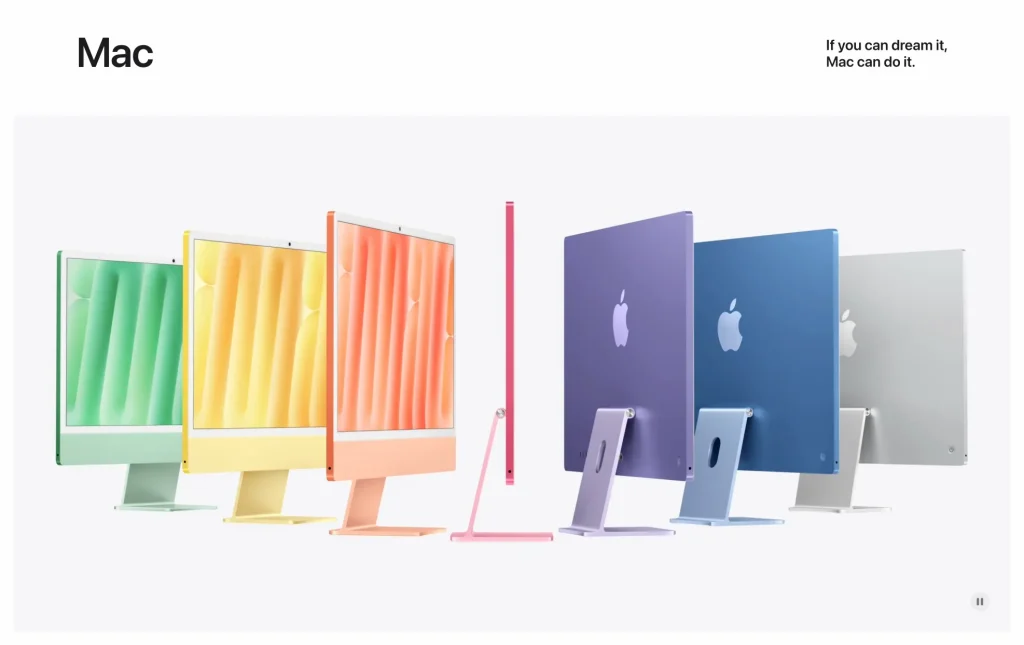
Full-screen videos or dynamic animations in hero sections captivate visitors instantly, setting the tone for an immersive experience. They are also super effective for use on mobile devices. By combining minimalistic text with high-quality visuals, powerful brands like Apple can convey their message powerfully. The major caveat is of course the cost involved in creating such striking content, and the added reliance of the user watching and having to download the video to engage.
Example: Apple’s MacBook Air page utilises a sleek video background to highlights their product’s design and features without overwhelming the user with text.
2. Micro-Narratives on Scroll
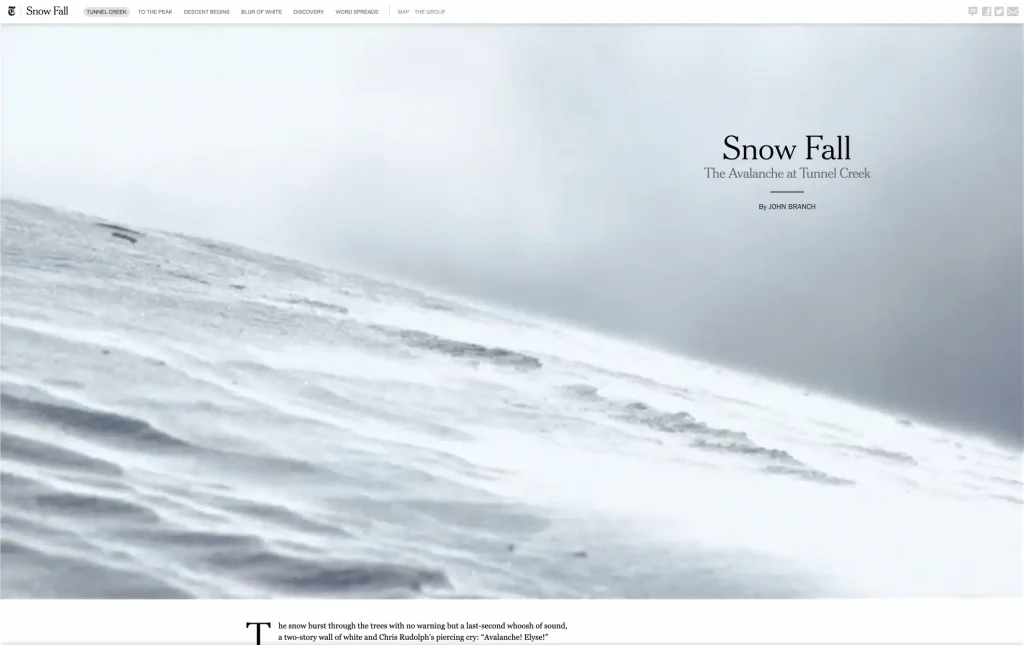
Breaking content into digestible, scroll-triggered stories enhances user engagement – especially when using mobile or tablet devices and becoming more accustomed to ‘expected’ website behaviour. As users scroll, they uncover elements of a narrative, making the experience interactive and memorable.
Example: The New York Times’ “Snow Fall” article integrates multimedia elements that unfold seamlessly as the reader scrolls, creating an engaging storytelling experience.
3. Dark Mode, Done Right
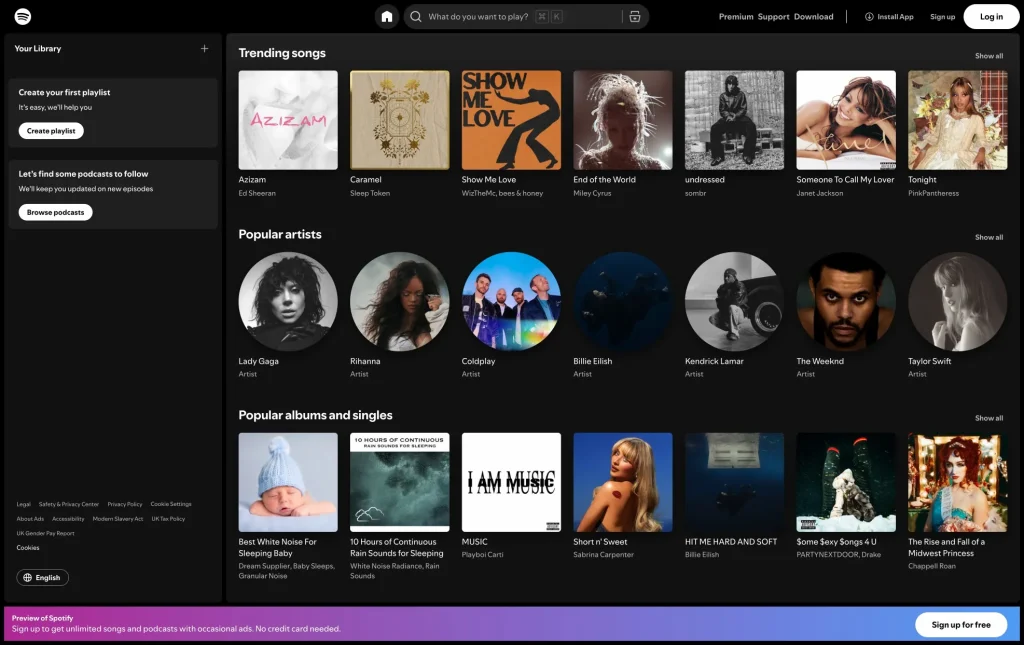
Dark mode is still not for everybody, myself included. I find the brighter tones and colours suit my preference, however there’s no doubt that the use of dark mode is growing – with many websites and Apple OS even allowing users to chose!
If I had to find a good use of this, Apps like Shopify have done a grand job. It makes for a change for my eyes and in small doses the dark mode means the focus is on the music covers, which not only offers a modern aesthetic but also reduces eye strain. When paired with vibrant accent colours, dark backgrounds can certainly make content pop.
Example: Spotify’s interface features a predominantly dark theme, complemented by bright album artwork and green highlights, enhancing visual appeal and usability.
4. AI-Assisted Personalisation
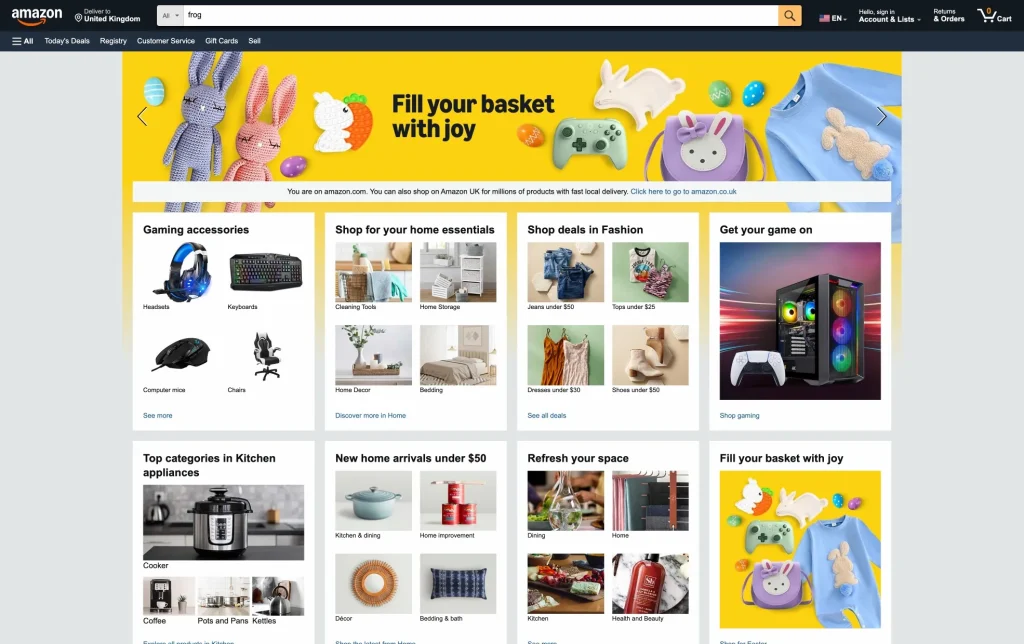
Leveraging artificial intelligence to tailor content and recommendations is only going to become more and more accepted in the coming decade. Today the examples are still very experimental, but already clearly enhances user experience by delivering much more relevant information. AI-driven personalisation can also adapt in real-time to user behaviours and preferences – making shopping sites like Amazon and eBay able to target people very accurately indeed.
Example: Amazon’s homepage showcases personalised product recommendations based on browsing and purchase history, demonstrating effective AI integration.
5. Editorial Typography Meets Interaction
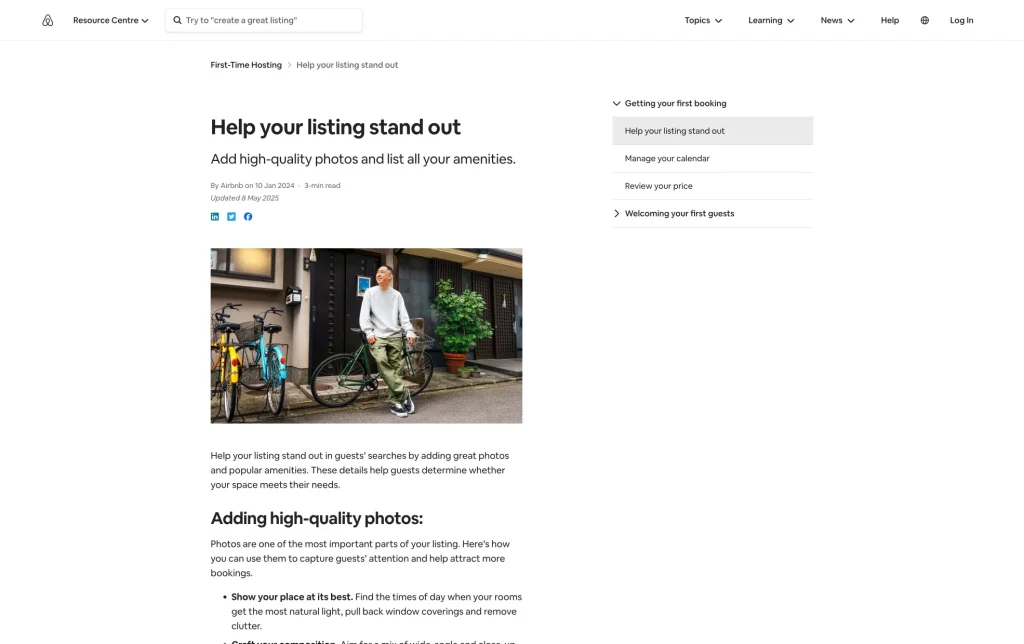
Combining bold, magazine-style typography with interactive elements creates a dynamic and engaging interface. Oversized fonts and creative layouts draw attention and guide users through the content, making otherwise fairly daunting amounts of text far more digestible and interactive – especially when browsing on mobiles or tablets.
Example: Airbnb’s Magazine employs large, elegant typography paired with interactive imagery, offering a visually rich reading experience.
6. “Unpolished” Design Details
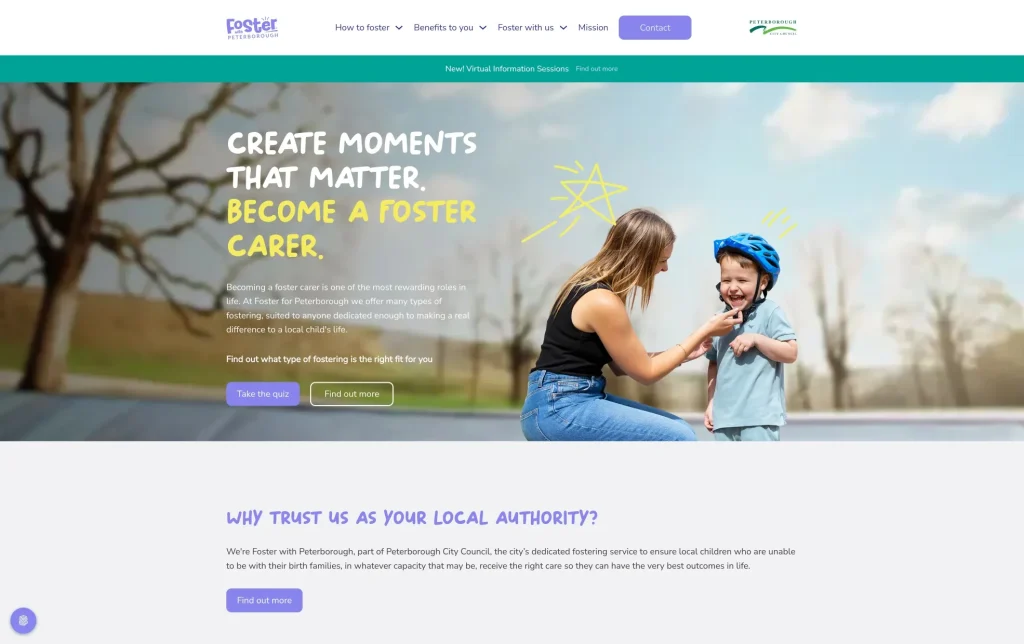
Intentional use of raw, hand-drawn elements and organic textures adds authenticity and character to web designs – not to mention a playful approach. This example from Foster with Peterborough resonates really strongly with audiences seeking genuine and relatable brands, and real connections to the people behind the brand.
Example: Foster with Peterborough incorporates quirky illustrations and imperfect design elements, reflecting the brand’s approachable personality.
7. Sensory UX
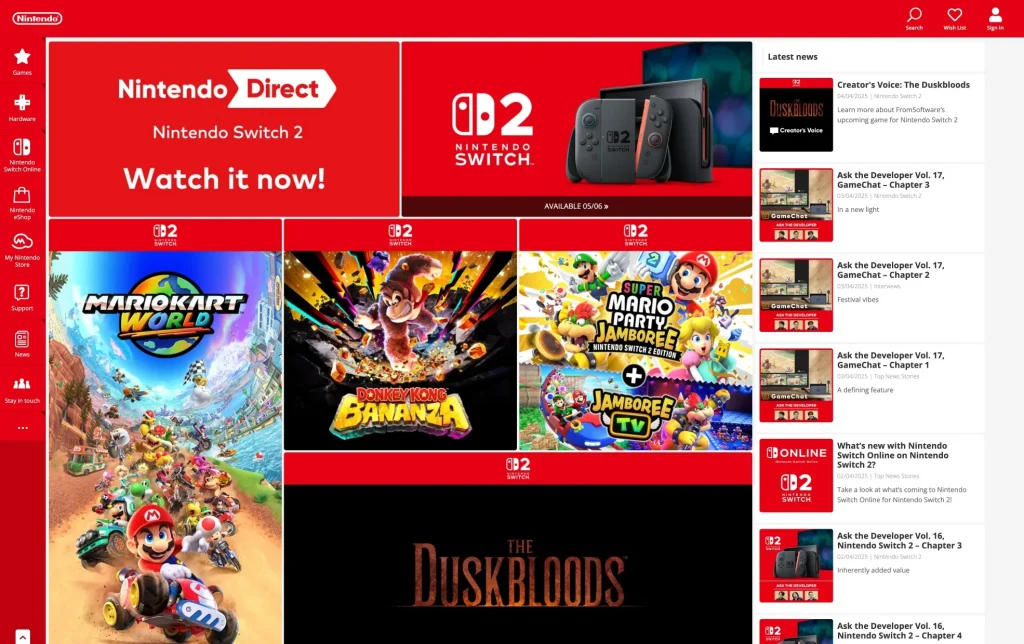
Integrating subtle sound effects, haptic feedback, and other sensory cues can create a much more immersive and engaging user experience. These elements should enhance, not distract from, the core content and make the users more energised to look around.
Example: Nintendo’s website uses subtle sound effects and animations to enrich the user interaction, especially when exploring game features.
8. Hover-First Navigation
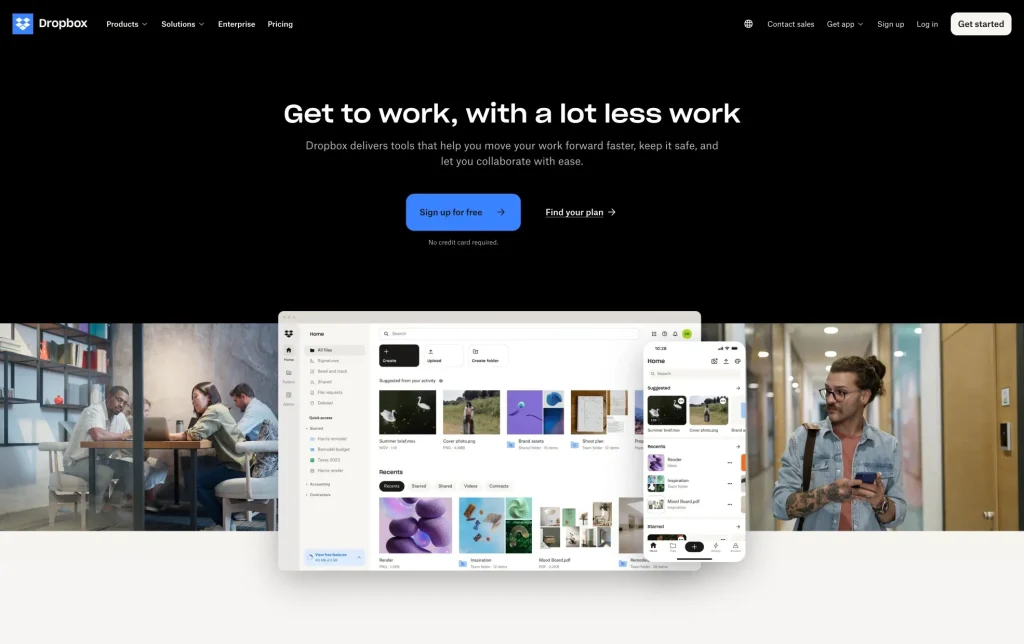
Navigation menus that reveal themselves upon hovering encourage exploration and declutter the interface. This design choice can make websites feel more interactive and intuitive, but the flip side to all of that is the need for the user to interact before they are shown the content. This can cause havoc with hover devices as the engagement is very different to when using a mouse.
Example: Dropbox’s homepage features a clean design where additional navigation options appear on hover, maintaining a minimalist aesthetic while offering full functionality.
9. Scroll Hijacking with Purpose
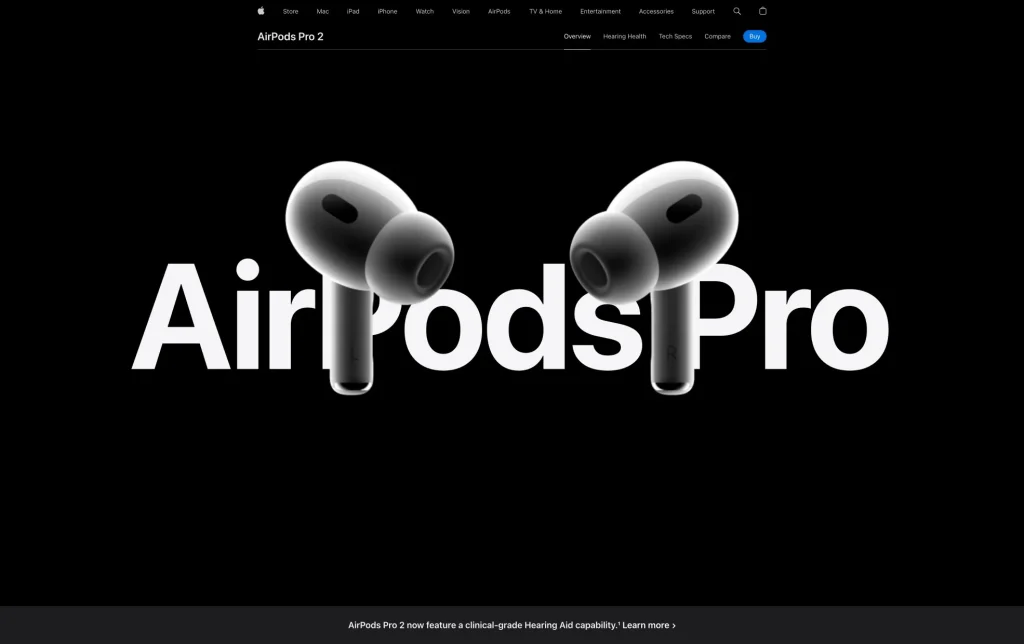
When used judiciously, controlling the scroll behaviour can guide users through a predetermined narrative or showcase content in a specific sequence. This technique should be employed carefully to avoid frustrating users from getting to where they need to be, and has accessibility concerns for users without adequate mouse control or using screens to scroll with.
Example: Apple’s AirPods Pro page utilises controlled scrolling to present product features in a cinematic and engaging manner.
10. Sustainability Signals
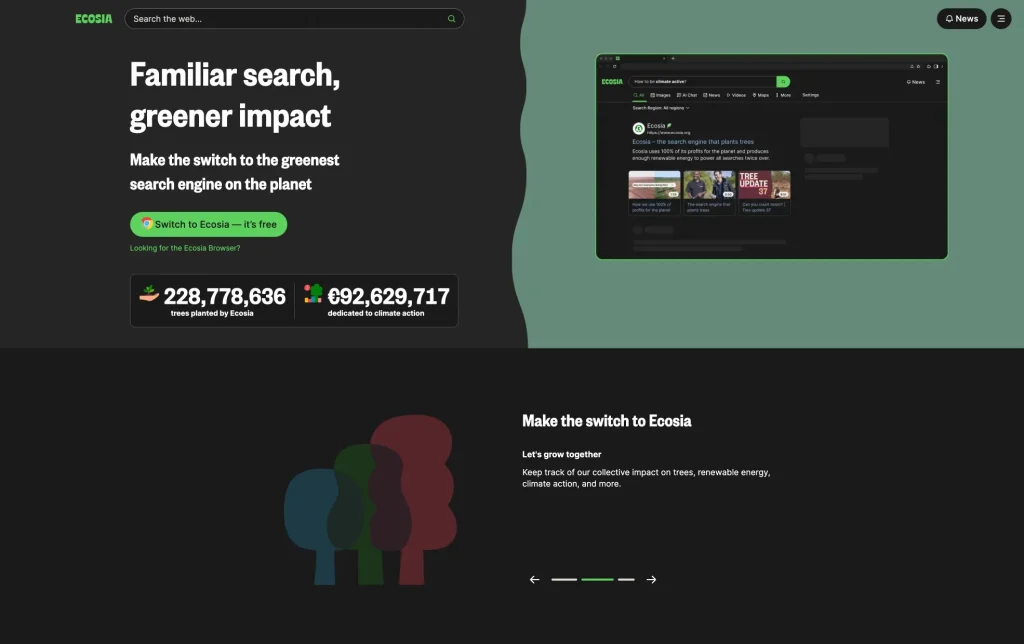
Designing with sustainability in mind reflects a brand’s commitment to their environmental responsibility. This can include optimised images for faster loading, eco-friendly hosting, and minimalist designs that reduce energy consumption. We chose 100% renewable energy powered hosting for all our client’s websites to help them with this, and encourage the use of light-weight, javascript-free and only for ‘essential’ animation.
Example: Ecosia’s website emphasises their eco-friendly mission, highlighting their use of profits to plant trees and showcasing their green initiatives.
What can your brand or website learn from this?
Embracing these web design trends can position your brand at the forefront of digital innovation. By thoughtfully integrating these elements, you can create engaging, user-friendly, and future-ready websites.
Get in touch with us if you would like to find out more, or have an informal chat about how we can help you with this.