




Establishing a memorable brand on social media requires strategic planning, creativity, and ongoing optimisation. It is undoubtedly no easy, quick task. This guide will take you through the Top 10 Tips to help you build a successful brand on social media.
Why Social Media Brand Building Matters
Social media is the primary place where audiences discover, research, and interact with brands. Gen Z and millennials treat platforms like TikTok and Instagram as search engines, making visibility and authenticity on these channels mission-critical for brand growth.
This digital-first approach means:
- Brand awareness directly translates into sales decisions.
- Ongoing engagement builds communities and loyal advocates.
- Visual identity, storytelling, and audience interaction drive recognition and trust.
Tip 1: Define your Brand Identity
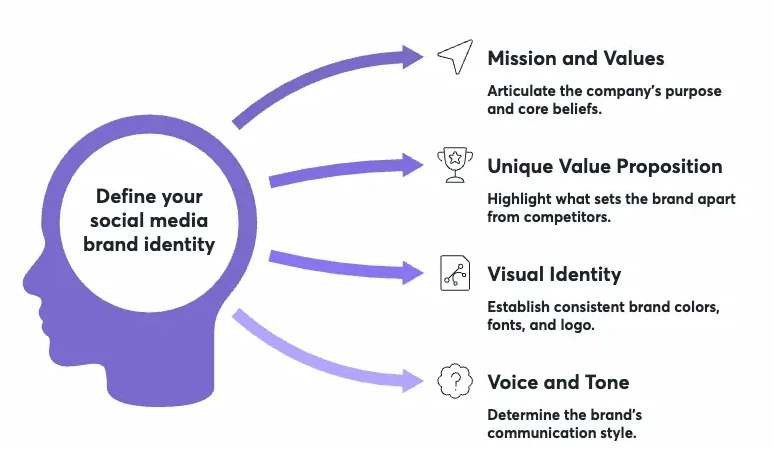
Your brand’s identity is its foundation. It encompasses your mission, personality, values, and how you visually present yourself to the public. This first impression of your brand cannot be an afterthought. Make sure that you:
- Mission and Values – Articulate why your company exists and what problem it solves.
- Unique Value Proposition – Make it clear what sets you apart from competitors. This can be innovation, customer service, product features, or company culture.
- Visual Identity – Establish your brand colours, fonts, and logo. Consistency is key for cross-platform recognition. Create your brand guidelines and stick to them.
- Voice and Tone – Decide your brand tone of voice – is it professional, friendly, witty, and authoritative – and maintain that in all communications.
- View our Branding in Devon South West examples and work
Tip 2: Understand your audience
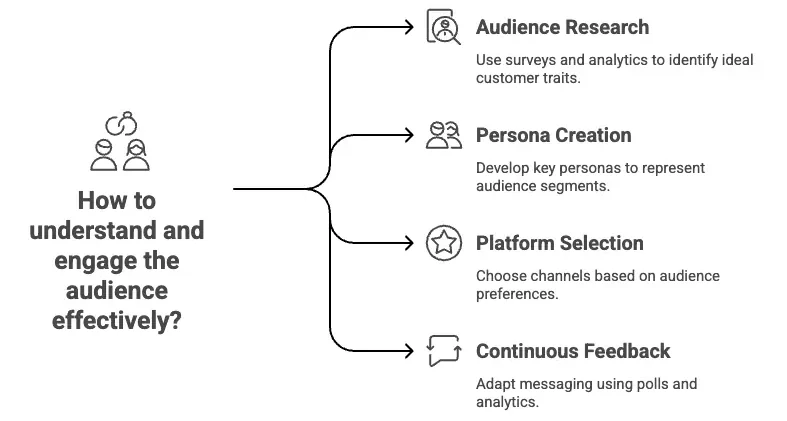
Knowing your audience is the basis for effective messaging, engagement, and retention:
- Audience Research – Use surveys, social analytics, and competitor benchmarking to map out your ideal customer, including age, interests, pain points, and platform preferences.
- Persona Creation – Develop 2-3 key personas as the “faces” of your audience.
- Platform Selection – Use audience insights to pick the best channels (Instagram for visual storytelling, LinkedIn for B2B authority, TikTok for creative Gen Z engagement).
- Continuous Feedback – Use polls, social listening, comments, and analytics to adapt your messaging and targeting.
Tip 3: Build out your social profiles
Your social profiles are your brand’s storefronts. Fill them out fully and consistently for maximum discoverability and credibility:
- Profile Optimisation – Use your full brand name, a clear logo, keywords in descriptions, and call-to-action links. Your username, handle, and display name are critical metadata that social algorithms index so don’t appreviate and keep it consistent across platforms.
- Cross-Platform Consistency – Ensure all profiles use the same images, bios, links, and most importantly brand style. This reinforces trust and keeps your brand top of mind.
- Story Highlights – On platforms like Instagram, use story and highlight sections for key brand pillars, products, testimonials, and FAQs. Make sure to regularly update your stories, highlights, and pinned content to keep content fresh and ensure information is accurate.
Tip 4: Create your Content Strategy
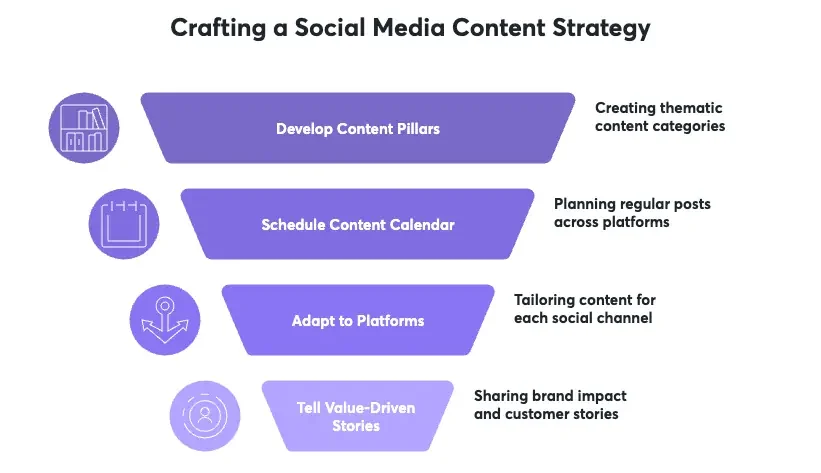
Content is the engine that powers social media branding. A strategic, varied content plan ensures ongoing audience interest and brand development:
- Content Pillars – Develop 3-5 themes (educational, entertaining, behind-the-scenes, user-generated, promotional) that reflect your brand’s strengths.
- Content Calendar – Schedule regular posts per platform, mixing formats (images, carousels, short videos, stories, polls, live streams).
- Platform Adaptation – Tailor content styles for each channel (e.g. in-depth posts for LinkedIn, spontaneous video content for TikTok, visually branded posts for Instagram).
- Value-Driven Storytelling – Share not just what you offer, but the why and the impact behind your products/services. Feature employee stories, milestones, and customer transformations.
Tip 5: Boost discoverability with Social SEO
Social SEO blends keyword research, platform algorithms, and engagement signals to enhance your brand’s visibility:
- Keyword Integration – Use target keywords in captions, bios, alt text, and hashtags. Research search intent for your audience on each platform.
- Hashtags – Mix branded, niche, and trending hashtags strategically.
- Video Optimisation – Create SEO-friendly titles, descriptions, and transcripts for video content. Use platforms like YouTube and TikTok for extended reach.
- Cross-Linking – Share website content on social, encourage sharing, and use internal links to service pages for authority signals.
Tip 6: Engage with your community
Building a brand is about creating two-way relationships with your audience, not just broadcasting about yourself. This means:
- Consistent Engagement – Respond promptly to comments, DMs, and mentions. Encourage conversations, Q&As, and feedback.
- User-Generated Content – Showcase customer posts, reviews, and testimonials. Reward and acknowledge brand ambassadors.
- Community Initiatives – Launch contests, challenges, or hashtag campaigns that incentivise participation.
- Influencer Partnerships – Collaborate with niche influencers aligned with your values for co-branded content and cross-audience expansion.
Tip 7: Invest in visual branding
A cohesive visual identity distinguishes your brand from competitors and helps followers recognise your posts without having to see your name. To maximise its impact, do the following.
- Branded Templates – Ensure all posts comply with your brand kit – colours, fonts, logo, and layout. Design a library of templates for different content types – stories, infographics, quotes, product highlights, and so on. This will reinforce brand recognition by repeating key visual cues. Whether a user sees a TikTok video of a LinkedIn graphic, it should all feel like it comes from the same source. You may need to outsource your brand asset design if you don’t have a dedicated designer in-house.
- Custom Imagery & Video – Use original photos, graphics, and video rather than stock assets. This will set you apart from competitors and enable you to use photography that captures your products, processes, and people in a way that aligns with your brand personality. Commission illustrators or motion graphics that use your brand colours and iconography. High-quality bespoke videos help tell stories that stock clips can’t. While stock footage can fill gaps, your core feed should feature unique, on-brand visuals.
- Accessibility – Confirm that visuals meet user accessibility standards (contrast, font size). Inclusive design broadens your audience and reflects well on your brand. Accessibility isn’t just a technical requirement; it also signals that your business is welcoming and considerate of all users.
- View our visual Branding services in Devon work
Tip 8: Launch paid social campaigns
Paid social advertising gives brands immediate reach beyond what organic content can achieve, and it offers control over who sees your message and when. To get the most from paid campaigns, it helps to plan and segment your efforts. You therefore need to:
- Ad Strategy – Create targeted campaigns (awareness, engagement, conversions). Awareness campaigns are designed to put your brand in front of new audiences and are optimised for impressions; engagement campaigns encourage likes, comments and shares; conversion campaigns focus on driving specific actions such as sign‑ups or purchases. Align ad visuals and messaging with your brand guidelines and signpost with a clear call-to-action.
- Demographic Targeting – Use platform tools to specify audience segments by age, location, interest, and more. One of the biggest advantages of paid social is granular targeting. Platforms like Meta allow advertisers to filter audiences by demographic data (age, gender, location), interests, behaviours and even custom segments built from your own customer lists. Define your buyer personas and use these tools to put your ads in front of the people most likely to care.
- Retargeting – Retargeting campaigns reconnect with people who have already interacted with your brand, such as visitors to your website or users who engaged with a previous ad. Retargeting is most effective when messages evolve with user behaviour; for example, offer a discount code in later ads to prospects who have abandoned carts. Just be mindful of frequency caps so your ads remain helpful rather than intrusive.
Tip 9: Track results and optimise
Continuous improvement is essential for staying ahead in competitive social media environments. Below are some practical ways to turn data into action.
- Key Performance Indicators – Track metrics like reach, engagement, follower growth, website clicks, and most importantly, conversions. Monitoring average reach and the percentage of non‑followers who see your posts helps you gauge how effectively you’re extending beyond your existing audience. Engagement metrics (likes, comments, shares and saves) are equally vital because they indicate that your audience is interested in your content and send positive signals to social algorithms. Conversion rate measures how often social content leads to events like a purchase, ultimately helping you quantify your return on investment.
- A/B Testing – A/B testing allows you to make data‑driven decisions by comparing two versions of content and seeing which one performs better. Experiment with different content, post timings, and calls-to-action to find what works best. For example, one test might compare a bold graphic against a minimalist design, while another contrasts a direct “Learn more” CTA with a playful “See for yourself”.
- Analytics Platforms – Use built-in tools or advanced external analytics for deeper insights. Most social networks provide basic analytics dashboards, but they only scratch the surface. Advanced platforms with measurement and analytics can monitor competitor behaviour, customise reports and drill into the metrics that prove social’s impact.
- Iterative Learning – Refine strategies based on performance, changing trends, and emerging platforms. Social media success requires agility as the digital landscape is changing so rapidly.
Tip 10: Innovate and adapt
With trends and algorithms constantly evolving, brands must adapt to stay relevant and engaging:
- Trend Monitoring – Monitor competitor and industry trends, proactively adopting new formats and channels. Social marketers are using automation, social listening and AI to decode the mood behind trends rather than chasing fleeting fads.
- Brand Refreshes – Evaluate performance periodically; update your visuals, messaging, or positioning as needed. The benefits range from improved positioning and access to new audience segments to maintaining a competitive edge.
- Audience Involvement – Use polls and Q&As to involve your community in rebranding or campaign launches. These interactive tools can double as informal market research and produce data you can repurpose into other content.
Common social media mistakes to avoid
Strong brand building is also about avoiding pitfalls:
- Ignoring audience engagement signals, so don’t be silent or slow to respond.
- Originality is vital for authenticity and differentiation, so don’t copy your competitors.
- Focus on valuable, purposeful content, not over-posting or spamming.
- Inconsistent visuals or written voice undermine brand recognition.
Checklist for building your brand on social media
- Define mission, vision, and values.
- Research and map your audience personas.
- Optimise profiles and bios on every channel.
- Create consistent visual branding across all assets.
- Build a content calendar and diversify post formats.
- Embed SEO in all content and profiles.
- Engage actively with your community and reward ambassadors.
- Launch strategic influencer partnerships.
- Use analytics to track, test, and refine.
- Stay on top of trends and prepare for timely rebrands.
Elevate your social media presence now
Ready to build a powerful, standout brand on social media? Take the next step with us. We’re a full-service agency partner offering strategy, design, marketing, and analytics to drive real results. Arrange a free consultation with our experts today and transform your social presence for your brand.
For more information, visit our services or contact us directly to discuss your goals and how we can help you outpace the competition.